The
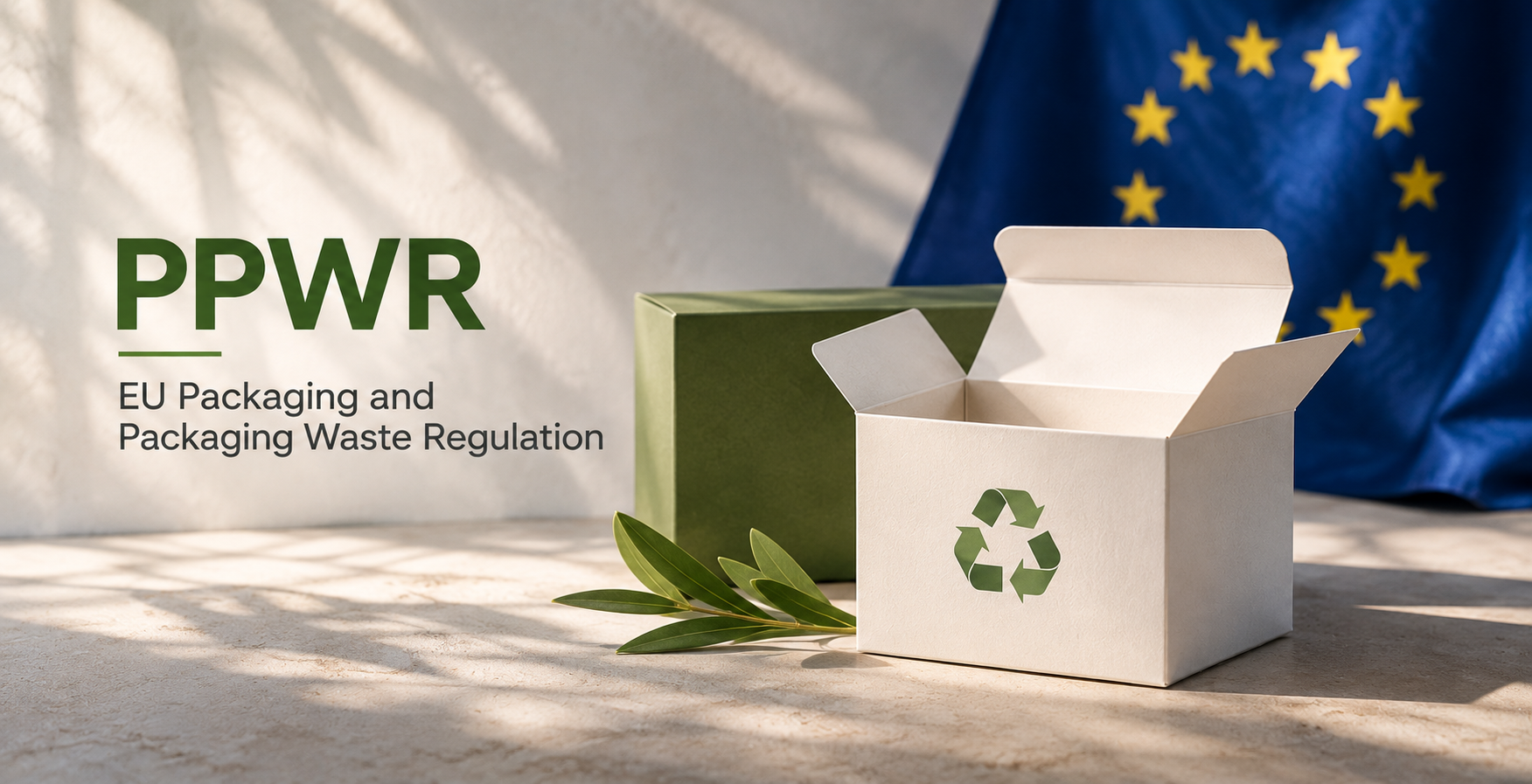
Packaging and Packaging Waste Regulation (PPWR) is reshaping the future of packaging across the European Union. With new requirements for recyclability, packaging minimisation, material composition and waste prevention, the regulation introduces important changes for brands, manufacturers and packaging suppliers.
As the European packaging industry moves towards a more circular economy, understanding PPWR requirements is becoming increasingly important for businesses placing packaged products on the EU market.
What Is PPWR?
PPWR stands for
Packaging and Packaging Waste Regulation. Officially known as Regulation (EU) 2025/40, it establishes a harmonised regulatory framework covering the entire lifecycle of packaging, from design and manufacturing to collection, sorting and recycling.
The regulation aims to reduce packaging waste, improve resource efficiency and support the transition towards a circular economy.
Unlike the previous Packaging and Packaging Waste Directive, PPWR is an EU regulation, establishing directly applicable requirements across Member States.
When Does PPWR Apply?
PPWR entered into force on 11 February 2025 and became generally applicable on 12 August 2026. However, many of its requirements will be implemented progressively.
Key milestones include:
- 2026: General application of PPWR begins, including applicable requirements concerning packaging composition and substances of concern.
- 2028 onwards: Harmonised packaging labelling requirements are introduced according to the regulatory timetable.
- 2030: Important packaging minimisation, design-for-recycling and recycled plastic content requirements begin to apply, subject to the specific provisions and transition periods.
- 2035: Recyclability assessments expand to include recycling at scale, according to the applicable implementation timetable.
- 2038: Stricter recyclability performance grades apply to packaging placed on the EU market.
Businesses should monitor the European Commission's implementing and delegated acts, as these will define additional technical criteria and assessment methodologies.
What Are the Main PPWR Requirements?
1. Packaging Recyclability
One of the central objectives of PPWR is to improve the recyclability of packaging placed on the European market.
The regulation introduces harmonised design-for-recycling criteria and recyclability performance grades.
Packaging design must increasingly consider how materials can be collected, sorted and processed within established recycling systems.
2. Packaging Minimisation
PPWR requires manufacturers and importers to reduce packaging weight and volume to the minimum necessary to maintain packaging functionality.
This encourages more efficient structural design, appropriate material selection and the elimination of unnecessary packaging components.
Packaging must still provide adequate product protection, hygiene, safety and transport performance.
3. Recycled Content
PPWR introduces minimum recycled content requirements for certain plastic packaging applications, subject to specific exemptions and conditions.
For paperboard and folding carton packaging, the regulatory focus also includes recyclability, material efficiency and compliance with applicable product safety requirements.
4. Packaging Labelling
The regulation introduces harmonised labelling requirements designed to help consumers identify packaging materials and correctly sort packaging waste.
These changes will affect how packaging information is communicated across European markets.
5. Packaging Waste Reduction
PPWR establishes EU-wide objectives to reduce packaging waste generation.
Member States must reduce packaging waste per capita, compared with 2018 levels, by at least 5% by 2030, 10% by 2035 and 15% by 2040.
These targets reinforce the importance of efficient packaging design and responsible material use.
Does PPWR Apply to Cardboard and Folding Carton Packaging?
Yes. PPWR applies to paperboard and folding carton packaging placed on the EU market.
Although fibre-based packaging is commonly associated with established recycling systems, compliance cannot be assumed solely because a package is made from cardboard.
The recyclability of the finished packaging may be influenced by several factors, including:
- Paperboard composition and structure
- Plastic windows and additional components
- Laminations and surface coatings
- Adhesives and printing applications
- Material combinations and separation possibilities
- Compatibility with collection, sorting and recycling processes
For folding carton manufacturers, PPWR makes the relationship between structural design, material selection and recyclability increasingly important.
How Does PPWR Affect Packaging Design?
Packaging design is no longer only about appearance, product protection and production efficiency.
Under PPWR, environmental performance and regulatory requirements must also be considered throughout the development process.
For example, a folding carton with a plastic window may require additional evaluation compared with a carton made entirely from paperboard.
Similarly, barrier coatings and decorative finishes should be assessed for their potential impact on recycling processes.
The objective is to balance product protection, functionality, visual presentation and material efficiency without compromising applicable regulatory requirements.
What Does PPWR Mean for Packaging Buyers?
For brands and purchasing teams sourcing packaging for European markets, PPWR introduces new considerations into supplier selection and packaging development.
Businesses should evaluate packaging materials, technical specifications and relevant documentation while reviewing the potential impact of future requirements on existing packaging portfolios.
Early collaboration between packaging buyers, designers and manufacturers can help identify opportunities to optimise packaging structures and avoid unnecessary redesigns.
Omaks Printing & Packaging: Supporting the Future of Folding Cartons
At
Omaks Printing & Packaging, we understand that packaging must combine product protection, functionality, visual quality and efficient manufacturing.
With our experience in folding carton production, we work with customers to develop packaging solutions tailored to their product requirements and market expectations.
As the European packaging industry adapts to PPWR, we continue to follow regulatory developments and consider material efficiency, structural optimisation and recyclability-related design factors in packaging development.
Our objective is to help brands make informed packaging decisions while maintaining the quality and functionality their products require.
Frequently Asked Questions About PPWR
What does PPWR stand for?
PPWR stands for Packaging and Packaging Waste Regulation, the European Union's regulatory framework for packaging sustainability and waste management.
Is PPWR mandatory?
Yes. PPWR is an EU regulation. Its requirements apply according to the relevant provisions, implementation dates and the responsibilities of economic operators.
Does PPWR affect packaging imported into the EU?
Yes. Packaging placed on the EU market may fall within PPWR requirements regardless of where it was manufactured.
Is cardboard packaging automatically PPWR compliant?
No. Cardboard packaging must be evaluated against the applicable requirements. Material composition, coatings, additional components and overall design can affect recyclability.
Does PPWR ban plastic windows in cardboard packaging?
PPWR does not establish a general ban on all plastic windows in folding cartons. However, the complete packaging design must meet applicable requirements, including relevant recyclability criteria.
What happens in 2030 under PPWR?
Important requirements concerning packaging minimisation, recyclability and certain recycled plastic content targets are scheduled to apply from 2030, subject to the regulation's specific timelines.
Preparing for a More Circular Packaging Future
PPWR represents a significant development for the European packaging industry.
For brands and packaging manufacturers, the transition creates an opportunity to review existing packaging designs, improve material efficiency and consider recyclability earlier in product development.
Omaks Printing & Packaging continues to support customers with technically considered folding carton solutions designed around their products, production requirements and evolving market expectations.